They want you to be terrible
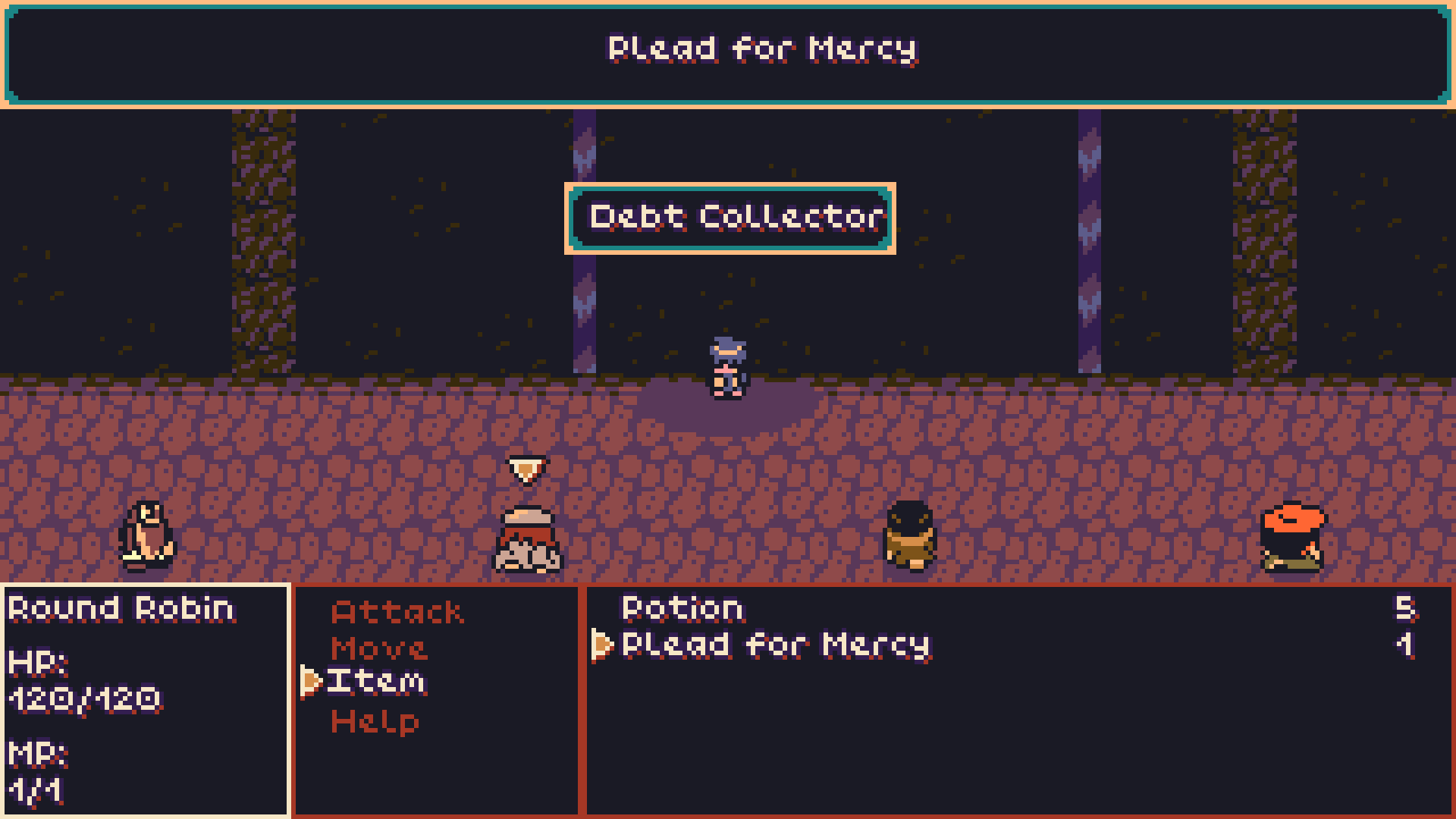
I'm trying to pitch my JRPG Game to publishers and while I'm preparing everything for that, I had some interesting observations. This is the first time I tried this with the idea of actually hiring additional people in mind and obviously with a budget that facilitates this.
To Build a Budget, you also need to have an idea for how long it might take you to make the game, so I also thought a lot about that.
Again, this is the first time I'm really doing something like this. I did try and pitch some of my other games to publishers, or thought about it. But those always only ever had "me" as the person working on the game. So this is all new, scary and it turned out, deeply uncomfortable for me.
Why uncomfortable? Say you're building a budget and want to hire a few people to work on your game. First of all, how much are you paying them? Then, for how much of the duration of the project are you employing them? Are they only under contract for a year, or two, or do they stay on until the game is done? What happens after that? Are they even full-time employees, or just part-time?
I'm currently unemployed and live off of welfare. It sucks. My Freezer just broke this week and I don't know what to do about that, because while it's probably cheaper to try and get it repaired, the whole thing is at least 25 years old and I feel that maybe it would be better to get a whole new one. Anyway, I live in poverty and I would much like to not live in poverty anymore. This whole attempt of mine to get funding for this game is one way for me to maybe get there.
However, the thought of me using the work of someone else to get me out of poverty, and then sending them into unemployment with the prospect of falling into said poverty is awful. I'm wondering if this is maybe one of the reasons why people who are ass-deep in business ideology don't seem to have a soul anymore. In a way you have to distance yourself from these thoughts, or else you cannot operate like this.
The problem is that, if you want to operate in this space, you have to play by these rules, or else you will not get the resources you would like to get. For me this meant making some decisions both in regards to the game's scope, but also for how I would like to handle things once it's done.
For the scope, I'd much rather work with fewer people who stay on the project for the entire time and who are paid well, then work with more people who only stay on for a bit, but which would enable me to pursue a bigger version of the game. The "vision" of the game is much less important than the wellbeing and financial security of the people involved.
The next part is that there needs to be a very clear and strict revenue sharing policy in place. Not one where the money is split based on some idea of relative contribution. No, if you've worked on the game, you own an equal part of it.
(Bad Math Alert!)
The Revenue sharing part is where it gets interesting again. Say you made a game with a budget of $500k and 4 people were involved in its creation. The game made 1 Million Dollars in its first year. Now let's assume we didn't get a nice publisher, so the team doesn't get any money, until that initial 500k is recouperated and after that, the money is split 70/30 between developer and publisher. So we have 500k, 350k of which go towards the team. That 350k then gets divided by 4, because we have an equal revenue split, which means every person gets something like 87k after one year.
Depending on cost of living, this is somewhere between 1 and 3 years worth of income.
Now, what if instead of having a fair split, I'm doing what a "normal" business would do and just claim complete ownership of the project and profits? I would get the entire 350k, and the other people involved get sent away, because they were just temporary contractors.
Now obviously, those 350k will not exactly be what I would be getting, because there's tax and insurance, but overall that's still so much that I wouldn't have to worry about money for almost a decade.
You see it very often mentioned, when people talk about the relationship between capitalists and workers, how it's very often the small businesses that are the most dangerous when it comes to both treating their workers right and when it comes to pushing for laws and regulations that are anti-labour.
When you operate in that space, where it might be possible for *you* to escape the threat of imminent poverty, it is so tempting to just do it, right? To take it all and then yell at your government, because of the taxes that might put you back into the danger zone. The big businesses could eat these extra costs, without risking everything, but you? You can't! It's existential! Now, obviously the bigger businesses also don't want to pay these things, but the emotional driving force behind the constant push for deregulation and the capitalist model of ownership (where the product is owned by the capitalist, not the workers) comes from those people who exist right at the edge, because it's here where the stakes feel the highest.
It is these people who serve as the emotional foundation for liberal and conservative politicians when they argue for de-regulation and lower taxes, because they can still paint themselves as fighting for the interests of lower-income people.
However, what value is there in getting out of poverty, when it comes at the cost of throwing others into it? Personally, I'd much rather figure out a way to make things easier for everyone who's involved in the creation of this game, even if that means that the time until the pressure ramps back up again won't be as long.
This is all speculative anyway. While I am very confident in what this game is going to be, I do not believe I will find any publisher who will give me money to make it. Times are not that great for videogame funding, and I'm also just not very optimistic about anything that involves me and the idea of getting out of my situation. Still, I think it's a worthwhile exercise, because it did help me with actually planning the whole thing, and while I understood this whole "small business owner" problem from a theoretical point of view, this was the first time where I could actually see the path that would take you there.
Does this mean that I'm probably not made for business? Could be, but I don't think that this is a bad thing. Businesspeople are terrible after all, and who wants to be a terrible person?